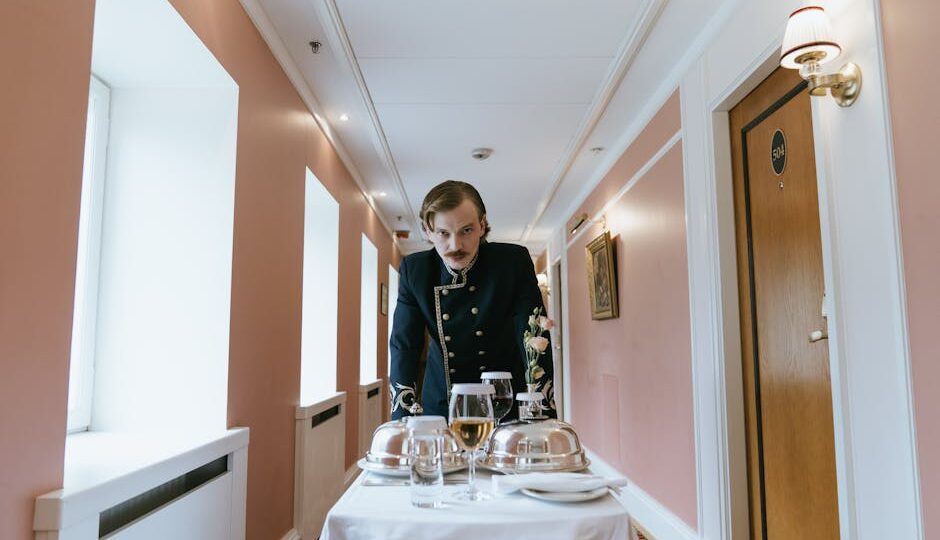
Understanding the Basics of Politeness
Etiquette may sound like an old-fashioned concept, but its modern form is more about being considerate and respectful. Basic politeness remains at the heart of good manners—simple actions like saying “please” and “thank you”, making eye contact, and listening attentively can go a long way. These small gestures show that you value the people around you, whether they’re friends, family, or strangers. In a bustling city like New York, where everyone seems to be in a rush, taking the time to be polite can make a world of difference.
The Art of Communication
Effective communication is more than just speaking clearly; it’s about ensuring your message is understood. In 2026, with technology like AI-driven chatbots and virtual reality often mediating our interactions, mastering face-to-face communication is increasingly valuable. Practice active listening—this means not just hearing, but engaging with what the other person is saying. Ask questions, offer feedback, and avoid interrupting. If you’re chatting with someone in a coffee shop like Seattle’s famous Starbucks Reserve Roastery, remember, respect their opinion, even if it differs from yours. Just as importantly, be mindful of your digital communications. Double-check your emails and messages for tone and clarity before hitting send. A misplaced comma or an unintended autocorrect can change the entire meaning of your message.
Dining Etiquette: More Than Just Table Manners
When it comes to dining, etiquette can vary significantly around the world. Whether you’re enjoying sushi in Tokyo or pasta in Rome, there are local nuances to consider. Back home, when dining out or hosting a dinner, some universal rules apply. Always wait for everyone to be served before starting your meal, and never forget to compliment the chef if the meal was enjoyable. In fine dining restaurants, like The French Laundry in Napa Valley, understanding the cutlery can enhance your dining experience. Start from the outside and work your way in with each course. And remember, it’s no longer considered rude to leave your phone on the table—just ensure it’s in silent mode and only check it if absolutely necessary. Your dining companions deserve your full attention.
The Evolving Dress Code
Fashion is a dynamic field, and understanding etiquette here can set the tone for how others perceive you. In 2026, personal style is celebrated, but certain situations still call for specific dress codes. When attending a wedding, think about the venue and the formality of the event. A beach wedding in Miami might require something more casual than a downtown ceremony in Chicago. For business settings, even with remote work allowing for more casual attire, dressing sharply for meetings—virtual or in-person—can impress. A well-tailored suit or a smart shirt can speak volumes about your professionalism and attention to detail.
Social Media: A New Frontier for Etiquette
In the past decade, social media has become an integral part of our lives. Yet, the rules of engagement often remain blurred. Being respectful and thoughtful in your online interactions is crucial. Avoid oversharing personal details or posting without considering the impact. Remember the golden rule: if you wouldn’t say it in person, don’t post it online. In forums or comment sections, such as Reddit or YouTube, maintain a level of civility even when debates get heated. Mind your netiquette, as how you conduct yourself online can have real-world repercussions, personally and professionally.
Practical Takeaway
Etiquette, in its modern form, is all about respect and consideration. Whether you’re negotiating a business deal in a high-rise office in San Francisco or sharing a meal with friends in a quaint Parisian cafe, these guidelines can help navigate the complexities of social interactions with grace. Cultivate these skills and they will serve you well in every sphere of your life. Remember, etiquette isn’t about rigid rules; it’s about making everyone feel valued and comfortable.