Embracing the Home Coffee Movement
In recent years, the home coffee scene has exploded, transforming kitchen counters into sophisticated brew stations. With advancements in technology and a growing appreciation for the art of coffee, more men are choosing to hone their barista skills from the comfort of their homes. Whether it’s crafting a smooth espresso or experimenting with cold brew, the journey to coffee mastery is as rewarding as it is flavorful.
The Tools of the Trade
The first step to becoming a home barista is investing in quality equipment. In 2026, there’s a plethora of gadgets designed to bring the café experience to your kitchen. Here’s a quick guide to essential tools:
- Espresso Machine: A good machine is the backbone of any coffee setup. Brands like Breville and De’Longhi offer models that balance automation with control, perfect for those looking to perfect their pull.
- Grinder: Freshly ground beans are crucial for the best flavor. Choose a burr grinder over a blade grinder for consistent, even grounds.
- Milk Frother: For those who enjoy lattes and cappuccinos, a standalone frother or a steam wand is essential. Look for models that offer manual and automatic modes for versatility.
- Scale: Precision is key in coffee brewing. A digital kitchen scale ensures you’re using the right amount of coffee and water.
- Kettle: For pour-over methods, a gooseneck kettle provides control over water flow, essential for achieving the perfect brew.
Perfecting the Brew
Once your setup is complete, focus on the brewing techniques. Start with the basics and gradually explore more complex methods:
- Espresso: The heart of many coffee drinks. Practice makes perfect, so pay attention to grind size, tamp pressure, and extraction time.
- French Press: A simple yet effective method. Use a coarse grind, let it steep for four minutes, and enjoy the rich, full-bodied flavor.
- Aeropress: Known for its versatility, the Aeropress produces a clean cup. Experiment with different grind sizes and steep times to find your ideal brew.
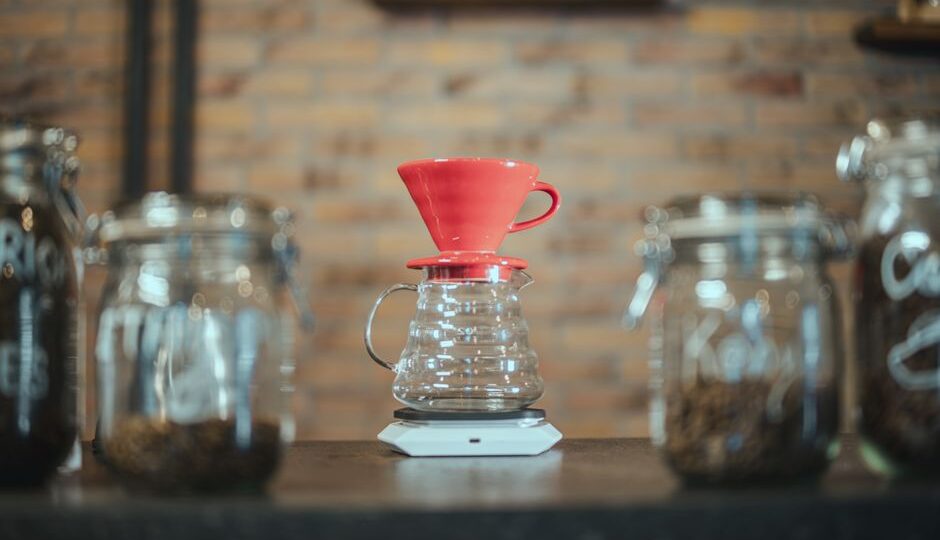
- Pour-Over: Methods like the Hario V60 allow for precision and control. Focus on water temperature and pouring technique for a balanced cup.
- Cold Brew: Perfect for hot days, this method requires patience. Steep coarsely ground coffee in cold water for 12-24 hours before straining.
Understanding Coffee Beans and Roasts
The flavor of your coffee largely depends on the beans you choose. In 2026, the trend is towards single-origin beans, which offer unique flavor profiles. Explore different roasts and origins to discover what suits your taste:
- Light Roast: Retains more of the bean’s original flavor, often fruity or floral.
- Medium Roast: Offers a balanced flavor with a slight sweetness and a fuller body.
- Dark Roast: Provides a bold, robust flavor with chocolate and nutty notes.
Consider sourcing beans from reputable roasters who prioritize quality and sustainability, such as Blue Bottle or La Colombe.
The Joy of Experimentation
One of the greatest joys of making coffee at home is the ability to experiment. Mix and match beans, try new brewing methods, or create your own signature drink. Perhaps you’ll invent the next great coffee trend.
Connect with online coffee communities and forums to share experiences and advice. Websites like Reddit and CoffeeGeek offer a wealth of knowledge and a chance to bond with fellow enthusiasts.
Practical Takeaway
Mastering coffee at home is an art and a science. It requires patience, practice, and a willingness to explore. With the right tools and a bit of perseverance, you can transform your daily cup into a delightful ritual that rivals any café experience. So, roll up those sleeves, start grinding those beans, and embrace the journey of home coffee mastery.