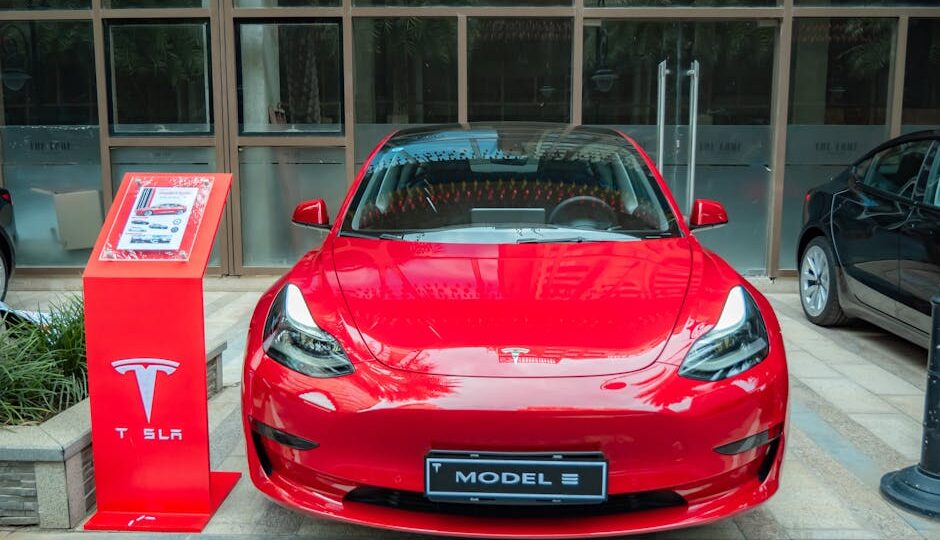
Overlooking the Revolution of EVs and Alternative Fuels
In 2026, the automotive landscape has shifted dramatically. Electric vehicles (EVs) and cars running on alternative fuels have surged in popularity and innovation. Ignoring this trend could lead to regret down the road. Consider the advancements in battery life, with many models now boasting ranges of over 500 miles per charge. Companies like Tesla and newcomers from China and Europe have transformed the EV market with competitive pricing and features. The infrastructure for charging and alternative fueling has expanded massively, making it more convenient than ever. By dismissing these options, you might miss out on long-term savings and environmental benefits.
Underestimating Autonomous Features
The year 2026 heralds a new era for autonomous driving. Many manufacturers now offer advanced self-driving features as standard in their latest models. Brands like Mercedes-Benz and Waymo have integrated top-notch autonomous tech that enhances safety and provides a more relaxed driving experience. Overlooking these features might mean missing out on cutting-edge safety advancements and the seamless integration of AI that can handle a plethora of driving situations, making commutes more efficient and stress-free.
Ignoring Software Updates and Tech Integrations
Gone are the days when cars were purely mechanical marvels. Today, they are as much about their software as they are about hardware. With vehicles increasingly reliant on their digital interfaces, neglecting software capabilities is a significant oversight. Many cars in 2026 receive over-the-air updates, just like smartphones, enhancing performance and adding new features. Check if your prospective vehicle supports these updates. Moreover, ensure that your car’s tech integrates well with your personal devices, offering seamless connectivity for navigation, entertainment, and communication.
Focusing Solely on Purchase Price
While the sticker price is a crucial factor, it’s far from the only cost consideration. Maintenance, insurance, and potential fuel costs can vary significantly between models. Conduct thorough research on the total cost of ownership over time. For instance, though an EV might have a higher upfront cost, the lower maintenance and fuel expenses could save you thousands in the long term. Utilize tools and calculators available online to forecast these expenses over the car’s lifespan to ensure you’re making a financially sound decision.
Not Considering Resale Value
Resale value is an often-overlooked aspect of car ownership. In 2026, cars with cutting-edge tech and alternative fuel options generally retain their value better due to increasing demand for these features. The rapid pace at which technology is evolving makes it imperative to consider how a car might depreciate. Brands like Toyota and Porsche continue to hold strong resale values, but it’s essential to look into newer entrants in the market, which might surprise you with excellent depreciation rates.
Neglecting Extended Test Drives
A quick spin around the block might not reveal all the quirks of a new vehicle. Dealerships today are more accommodating than ever, and many offer extended test drives or even weekend trials. Utilize this opportunity to experience the car in various conditions – city driving, highways, and even a bit of off-road if applicable. This extended test will give you a better understanding of the car’s comfort, noise levels, and handling, ensuring it truly meets your expectations.
Skipping the Opportunity for Customization
Customization is more accessible and varied in 2026 than it has ever been. From exterior finishes to interior tech and comfort features, many manufacturers now offer extensive customization options to tailor a vehicle to your exact needs. Don’t skip this step. Whether it’s upgrading to a premium sound system or choosing specific eco-friendly materials for the interior, these choices can significantly enhance your ownership experience. Take the time to explore these options and ensure your new car feels truly yours.
Practical Takeaway:
Buying a car in 2026 requires a balance of embracing technology, understanding total costs, and ensuring the vehicle suits your personal needs and future plans. Avoiding these common mistakes will not only save you money but also provide a more satisfying ownership experience. As you navigate the choices and innovations of the automotive world, remember to prioritize features that align with your lifestyle and ensure your new car is a smart investment for the years ahead.