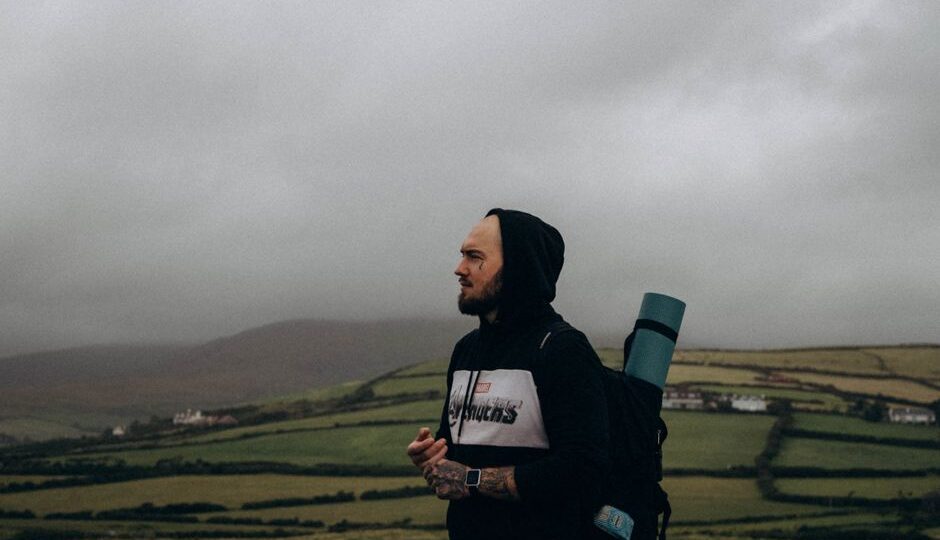
Introduction: The Solo Retreat Revolution
More men are choosing to carve out time for themselves by embarking on solo retreats. This isn’t about running from responsibilities; it’s about renewing one’s perspective. No longer seen as mere indulgence, solo retreats are powerful tools for self-reflection. In 2026, the trend has reached new heights, with countless destinations and experiences tailored for the modern man.
Why Go Solo?
Embarking on a solo retreat allows you to disconnect from the constant hum of daily life. The absence of social obligations creates space for genuine introspection, enabling you to delve deeper into your passions and goals. The beauty of these retreats lies in their flexibility. You set the agenda, allowing you to focus on what truly matters, whether it’s penning the first chapter of your novel or simply soaking in the serenity of a cabin in the woods.
Choosing Your Destination
The world is your oyster when planning a solo retreat. Some men seek inspiration in the rugged landscapes of Iceland, where geothermal springs provide a natural spa experience. Others prefer the quietude of a Japanese Zen monastery, where meditation becomes the language of the soul. If you crave the warmth of the sun, consider the secluded beaches of Costa Rica, where the sound of crashing waves is your only companion.
- Remote Wilderness: Embrace the isolation and raw beauty of places like the Scottish Highlands or the deserts of Utah. These environments foster a deep connection with nature.
- Urban Retreats: If solitude isn’t synonymous with nature for you, urban retreats in cities like Tokyo or New York offer a unique blend of anonymity and vibrancy.
- Spiritual Sanctuaries: For those drawn to spirituality, destinations such as the monasteries of Tibet or the ashrams in India provide profound peace and transformative experiences.
Crafting Your Experience
Once you’ve chosen your destination, tailor your retreat to suit your needs. This is your chance to focus on activities that nourish your soul. Consider a digital detox to truly unplug and reconnect with yourself. Journaling can be a powerful tool during your retreat, allowing you to capture thoughts and insights as they arise. Many retreaters also find solace in creative pursuits like painting or photography, which can be deeply meditative.
Physical activities are equally important. Whether it’s hiking through the Alps, practicing yoga on a Balinese beach, or cycling through the vineyards of Tuscany, movement helps anchor you in the present moment, enhancing your retreat experience.
Practical Tips for a Successful Retreat
Planning is key. Start by setting clear intentions. What do you hope to achieve or discover during your time away? Once your goals are defined, ensure you have the essentials: a reliable way to document your journey, appropriate gear for your chosen activities, and provisions if you’re venturing off-grid.
Consider limiting your connectivity. Inform loved ones you’ll be offline, allowing you to immerse yourself fully in the experience. Budgeting is also crucial; plan your finances to avoid any stress that could detract from your retreat.
Taking the Lessons Home
A retreat’s true power often manifests after you return home. The clarity and insights gained can influence your approach to life, encouraging healthier habits and a more mindful existence. Use this post-retreat period to cultivate the lessons learned, integrating them into your daily routine. Keep the spirit of your retreat alive by setting aside regular moments for reflection, even in the midst of everyday chaos.
Practical Takeaway: Solo retreats offer more than just an escape; they provide a framework for personal growth and self-discovery. By choosing a destination that resonates with your goals, crafting an experience that enriches your soul, and taking time to reflect on the insights gained, you can transform a simple getaway into a life-changing journey.