The Rise of Urban Gardening
Urban gardening isn’t just a trend. It’s a revolution. As more people are flooding into cities, the need for green spaces has never been more evident. In 2026, urban gardening has become a lifeline for city dwellers looking to reconnect with nature and spruce up their environments. From rooftop gardens in Manhattan to vertical gardens in Tokyo, the movement is reshaping urban landscapes worldwide.
Why Urban Gardening? It’s More Than Just Aesthetic
There’s something inherently soothing about the presence of greenery amidst the concrete jungle. But urban gardening goes beyond mere aesthetics. In cities like London, where air pollution is a major concern, plants can play a crucial role in improving air quality. According to a 2025 study by the Urban Horticulture Institute, small urban gardens can reduce particulate matter by up to 60%. Essentially, they act as natural air purifiers in the heart of bustling metropolises.
Innovative Gardening Techniques
Space constraints have always been a challenge for city gardeners. However, innovation thrives in adversity. Here are some of the latest techniques that urban gardeners are embracing:
- Hydroponics: This soil-less gardening method is growing in popularity. Hydroponics uses nutrient-rich solutions to grow plants, making it ideal for small apartments. The technology is now so refined that a small setup can feed a family of four.
- Vertical Gardening: Utilizing vertical spaces has become a game-changer for urban dwellers. Living walls are popping up everywhere, from office buildings to balconies, turning drab facades into lush oases.
- Smart Gardening: Technology and gardening have merged beautifully. With smart sensors and automated irrigation systems, maintaining a garden has never been easier. Apps can now monitor plant health and even suggest optimal watering schedules.
Community Gardens: Fostering Connection
Community gardens are a beacon of kinship and unity in today’s urban settings. More than 20,000 community gardens have sprouted across the United States as of 2026, offering a communal space where people can share tips, seeds, and even meals. Take New York’s Battery Urban Farm, for example, where residents collaborate to cultivate fresh produce. It’s a testament to how these spaces can foster relationships and promote sustainability.
Challenges and How to Overcome Them
Starting an urban garden isn’t without its hurdles. Limited space, soil contamination, and access to sunlight are common issues. However, creative solutions are emerging:
- Container Gardening: With the right potting mix, you can grow virtually anything in a container. It’s perfect for those with small balconies or patios.
- Using Reflective Surfaces: Urban gardeners are now using reflective materials to direct sunlight into shaded areas, ensuring all plants get their daily dose of sun.
- Soil Testing Kits: Before planting, gardeners can use affordable soil testing kits to check for contaminants and adjust pH levels accordingly.
Practical Takeaway: Getting Started Is Easier Than You Think
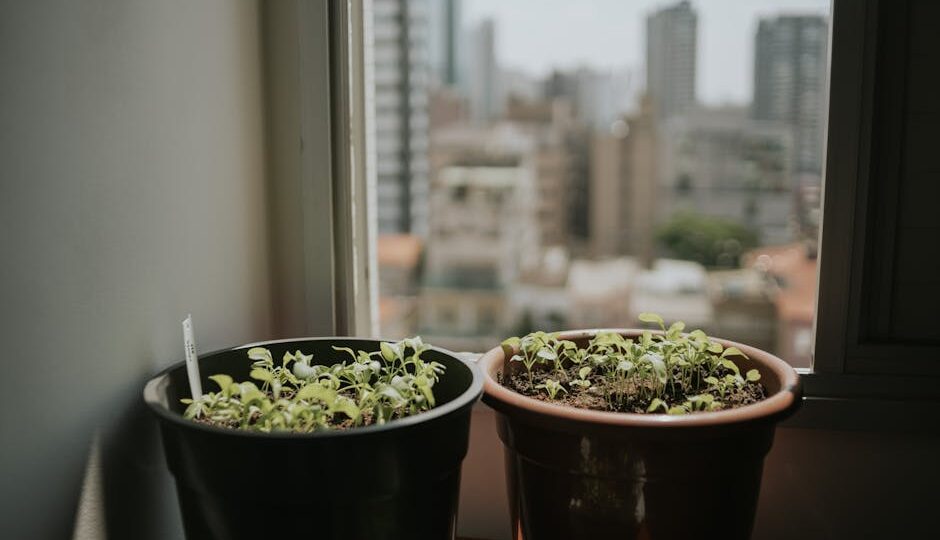
Ready to start your own urban garden? Begin small. A few pots on a windowsill or a small herb garden on your balcony can provide a sense of accomplishment and a taste of the rewards. Whether you’re aiming to grow your own salad or simply want some greenery, urban gardening offers myriad benefits. As the movement continues to grow, it’s clear that the cities of tomorrow will be a lot greener than today.