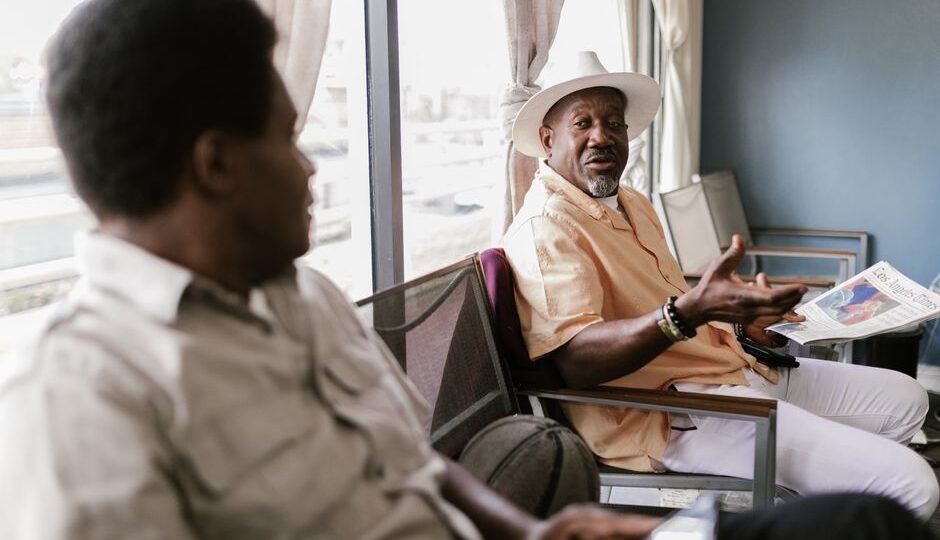
The Power of Listening
In a world brimming with distractions, genuine listening is becoming an increasingly rare skill. Listening isn’t just about hearing words; it’s about understanding the emotions and intentions behind them. According to a 2025 study by the International Communication Association, active listening can improve interpersonal relationships by 40%. Try this: next time you’re in a conversation, focus fully on the other person without thinking about your response. You’ll be amazed at the depth of connection you can achieve.
Body Language Speaks Volumes
Often, what’s left unsaid in a conversation is more important than the words themselves. Did you know that 55% of communication is non-verbal? That’s right, your body language, facial expressions, and gestures significantly impact how your message is received. In 2026, mastering body language is more crucial than ever, especially in online interactions where signals can be missed. Practice maintaining eye contact, using open gestures, and nodding to show engagement. These small changes can transform how you’re perceived by others.
The Art of Asking the Right Questions
Questions are the heartbeat of any good conversation. They show interest and can guide discussions into more meaningful territories. In 2026, with AI handling more transactional communications, the ability to ask insightful, open-ended questions sets you apart. Instead of asking, “How was your day?”, try, “What was the most exciting part of your day?” The latter invites stories and emotions, paving the way for deeper connections.
Embrace Silence
Silence can be uncomfortable, but it’s also powerful. It allows for reflection and gives room for thoughts to be formulated. In our fast-paced communication era, moments of silence can be perceived as awkward, but they often signify a deeper level of understanding and respect. Next time you’re conversing, don’t rush to fill the void when silence occurs; instead, give it room to breathe.
Storytelling: A Timeless Skill
Stories have been uniting humans for millennia, and in 2026, their power remains unparalleled. Whether it’s sharing your personal journey or recounting an interesting anecdote, stories can captivate and convey messages in a way that facts alone cannot. To become an effective storyteller, focus on authenticity. People connect with vulnerability and honesty. Share your experiences, lessons learned, and don’t shy away from revealing a bit of your true self.
Practical Takeaway
As we progress further into the digital age, the art of conversation remains a timeless skill that can open doors to new opportunities, enrich personal relationships, and foster a deeper understanding of the world. Practice active listening, be mindful of your body language, ask thoughtful questions, embrace silence, and hone your storytelling skills. Your effort to connect more deeply won’t go unnoticed.